



 (214) 766-3669

A reroof on a rental house is a business decision, and on a condominium it is usually a vote. Either way, the person signing needs to see the roof without climbing it and compare bids without guessing what each one left out.

Tell us the property address and who approves the work, whether that is you, a co-owner, a manager or a board. Or call (214) 766-3669, 7 am to 6 pm, Monday through Sunday.
The National Roofing Contractors Association suggests getting three or four proposals and lists what a clear one should contain (NRCA consumer roofing FAQs). Whoever you hire, hold every bid to that list.

The type of roof covering, its manufacturer and its color, plus the other materials included in the work. On a condo property, that line is what the board approves and what every later repair has to match.

Whether the existing roof is removed or covered over, what flashing work is included, and what ventilation work is planned. When two bids are far apart in price, compare this part first.

NRCA also lists who is responsible for repairing landscaping or interior finishes damaged during the job, the installation method and approximate start and finish dates. On an occupied building, ask for each of those in writing before the vote.
For a rental house, it is the lease and the owner’s insurance policy. For a condominium, it is the declaration and the association’s policy. Knowing who maintains, insures and approves the roof tells us who our client is.
We assess each roof and photograph every slope, then put our findings and recommendation into a written estimate. On a multi-building property, each building gets its own photos so the board can see which roofs are due now and which are not.
Once the owner signs or the board approves, your project manager orders the approved material and books the crew, and gives you the dates to pass on to residents.
Renters outnumber owners in Lewisville, so the person approving a reroof here often lives somewhere else, and the census detail behind that sits with our Lewisville roofing contractor work for landlords and condo boards. Not every bad roof needs replacing: a single failed boot or a short run of lifted shingles is Lewisville leak repair on rentals and townhomes, and our photos will say which you have. When the question started with a hailstorm or a gust, the dated storm record and the claim steps belong to hail and wind damage repair for Lewisville properties. Houses and townhomes follow the same tear-off and install standard as our residential reroofs for houses across North and Central Texas, and storefronts or warehouses go through commercial roofing for retail, office and warehouse owners. All of it is run from our office on Westridge Blvd in Frisco.
 Feedback
From residential and commercial roof replacement to urgent emergency roof repairs, our 5-star service speaks for itself.

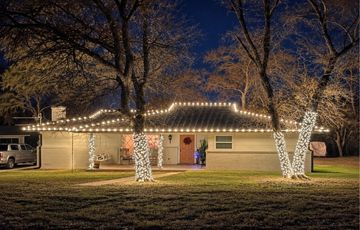
We used them for Christmas lights and could not have been happier. The entire process was so simple and our lights looked amazing. Very high quality and didn’t have one light bulb out the entire season. Highly recommend using them for your holiday lighting!

Bailey Pullin


Hands down recommend Beth and Alex with Christmas Lights and roofing consultations. Their communication is on point! Excellent service through your whole experience. We have been using them for two years now and will continue! Thanks yall!

Carin Gonzales
Highly recommend. Merry and Bright by Suntex Roofing made our home merry and bright this holiday season and are now my permanent go-to for my holiday lighting needs.

Chad Mandrell
The other day I had James Rose from SunTex do a courtesy inspection of our roof they replaced a little over a year ago. Mr. Rose was professional and knowledgeable when discussing how the drone inspection reveals no flaws or damage to the roof. I would definitely recommend SunTex to anyone look to have roof work done.

kalonji singleton
Alex Keller with SunTex Roofing exceeded! SunTex gave us a great experience from start to finish. The entire crew protected our new windows, plants, AC units, garden structures and even pool. I HIGHLY recommend this Texas local roofing company.

Sara Odom

Teri Redwine
SunTex provides unmatched customer support and response times. We moved into a new house with the previous owners creating a massive hole upon moving out. SunTex came out immediately and provided a temporary patch to mitigate damage from an incoming storm. Then came back for the official repair a few days later.

Alex Chase
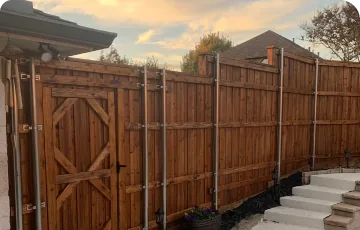
Leanne and her team do GREAT work! Fast and clean as they do your roof replacement process. Leanne and her team are very professional. They get the job done. We are very pleased with our new roof, cutters and the restoration of our fence after the Salado Tornado this past April.

Gary Schmiedekamp
We used them for Christmas lights and could not have been happier. The entire process was so simple and our lights looked amazing. Very high quality and didn’t have one light bulb out the entire season. Highly recommend using them for your holiday lighting!

Bailey Pullin
100% cannot recommend enough!!! So thankful for SunTex. They helped us every step the way. They educated me and worked with me. I would highly recommend them to anyone needing roof replacement or repairs. Their staff is amazing! Cannot thank them enough.

Juan Cruz
Bring photos of every building to the vote instead of a guess. Book a free assessment and we will send the pictures and a written estimate to whoever needs them.

Chapter 82 of the Texas Property Code gives a condominium board real power over the roof. Unless the declaration says otherwise, the association acting through its board may make contracts, hire contractors and regulate the repair, replacement and appearance of the condominium (Texas Property Code, Chapter 82).
Insurance follows the same line. Section 82.111 requires the association to keep property insurance on the insurable common elements, to the extent reasonably available, of at least 80 percent of their replacement cost or actual cash value. A claim on that policy must be submitted by and adjusted with the association, and the money goes to the association or its insurance trustee, not to individual owners, to be spent first on repairing the damaged property. Both rules reach condominiums whose declarations were recorded before 1994 as well, which matters in a city where so many buildings went up in the 1980s and 1990s.
The City of Lewisville lists re-roofs and re-decks among the building and miscellaneous permits its Building Services division handles, and tells owners to make sure they or their contractor apply for a permit from the city before remodeling (City of Lewisville, Building Permits). Permit applications and inspection requests now go through the city’s MGO Connect portal, which is also where contractors register with the city.
The city notes that its permit documents are being revised to reflect updated codes and ordinances, so we check the current requirements for each Lewisville property before the crew is booked. Ask any roofer you interview, us included, whose name the permit will be in.
Three things usually tell an owner that the next repair is money better spent on a new roof.
The policy changes. The Texas Department of Insurance warns that as roofs age, some insurers switch roof coverage to actual cash value at renewal, and a roof in poor condition may not be covered at all (TDI, Insurance and your roof). TDI adds that insurers inspect roofs when you apply and may charge more or refuse coverage based on what they see. For an owner who rents the property out, an uninsurable roof is a bigger problem than an ugly one.
The layers run out. NRCA notes that building codes in many places allow no more than one re-cover before a full replacement is required. A Lewisville roof from the 1990s that already got a second layer has used that option.
The leaks move. When the same building reports water in a new unit after every repair, the roof surface itself is failing rather than one component, and patching chases the problem from slope to slope.
Three choices shape the bid an owner signs or a board votes on.
Architectural and designer asphalt shingles suit most houses and townhome rows. Tile and standing seam metal change the profile of a building, which can bring it under closer review by an association. NRCA’s point applies to every option: even the best material leaks if it is installed badly, so workmanship matters as much as the product.
TDI suggests considering roofing materials less likely to be damaged by wind, hail or fire, and says your insurer might give a discount for them. The amount, if any, is the insurer’s decision, so ask your agent before you pay extra for a rating.
A re-cover leaves the old shingles in place and hides the deck under them. We strip roofs down to the deck, because only a full tear-off shows rotted boards and poor ventilation, and because a building that has already been re-covered once may not be allowed another layer.
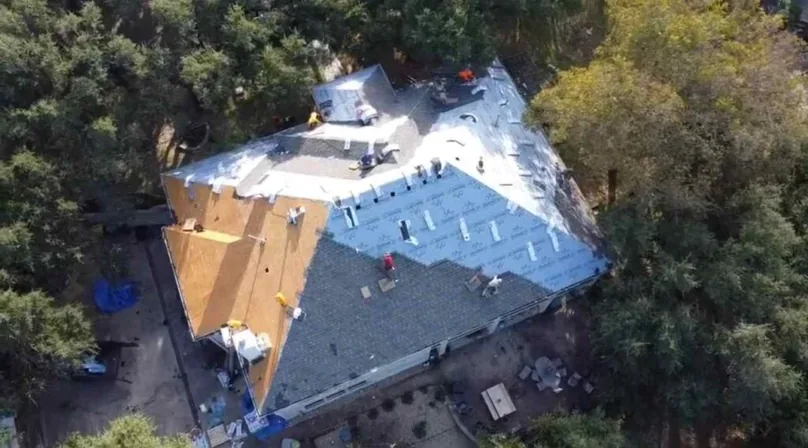
The crew removes every layer of the old system: shingles or tiles, the old felt or underlayment, and the flashing around chimneys, valleys and vent pipes. Decking that is water-damaged, moldy, unsound or spaced wrong for today’s standards is replaced before anything new goes down, and we photograph it for the owner’s file.
Drip edge goes along the eaves and rakes, ice and water shield into the valleys and other vulnerable areas, and new pipe jacks, chimney flashing and ventilation collars around every opening. On a townhome row, that includes the joints where one unit’s roof meets the wall of the next.
NRCA recommends balancing attic ventilation between the eaves and the ridge, with about half the ventilation area at or near the ridge. Shingle makers may also tie their warranty coverage to minimum ventilation, so we measure the intake and exhaust while the roof is open and, when they fall short, recommend a correction that goes in with the new roof if you agree to it.
Synthetic underlayment covers the deck, starter shingles reinforce the edges against wind, and the main courses go on in staggered rows to the manufacturer’s instructions. Ridge caps and ridge vents close the top of each roof.
The roofing is the same whether the owner lives in the house or across the state. What changes is who needs to hear what, and when.
Your project manager confirms the crew dates with you before anyone else hears them, so you can give tenants or residents the notice your lease or declaration requires.
Tarps go over the landscaping next to each building before tear-off, and the crew clears debris as the work goes rather than leaving it in parking areas and walkways for the end.
At the end the crew blows off the roof and gutters, sweeps the grounds with magnets for stray nails and hauls the waste away. Your project manager walks the property, and the finished-roof photos go to the owner, manager or board that approved the job.
Whether it is one rental house or a condominium with several buildings, the first step is a free assessment with photos of every roof and a written estimate you can compare.
Call (214) 766-3669 any day from 7 am to 6 pm, or send the form with the property address and the name of whoever approves the work. Lewisville jobs are run from our office at 12800 Westridge Blvd, Suite 162, Frisco, TX 75035.
Reliability. Relationships. Results.
Call (214) 766-3669 and book a free roof assessment for your Lewisville property.
Lewisville roof replacement questions
The City of Lewisville lists re-roofs and re-decks among the permits handled by its Building Services division, and applications go through the city’s MGO Connect portal. The city says its permit documents are being updated, so the requirements for your property should be confirmed when the job is scheduled. Ask your roofer whose name the permit will be in.
For a condominium under Chapter 82 of the Texas Property Code, a claim on the association’s property policy must be submitted by and adjusted with the association, and the proceeds go to the association or its insurance trustee rather than to unit owners. Owners may carry their own policies as well. Read your declaration and ask your board or manager who reports the loss.
Codes sometimes permit one re-cover, but SunTex does not install them. NRCA notes that building codes in many places allow no more than one re-cover before full replacement is required, and a 1990s roof may already have used that option. We tear off to the deck on every replacement, because a re-cover hides the decking and any rot in it.
TDI explains that as roofs age, some insurers switch roof coverage from replacement cost to actual cash value at renewal, and a roof in poor condition may not be covered at all. Your company should tell you when it changes your coverage. Check the renewal notice, because actual cash value pays less for an older roof after a storm.
Hold each bid to the same list: roof covering, manufacturer and color; whether the old roof comes off; flashing and ventilation work; who repairs damage to landscaping or interiors; the installation method; and approximate start and finish dates. Bids that leave items off are hard to compare, so ask for the missing lines in writing before the vote.
Blog

© Copyrighted 2026 SunTex Roofing and Reconstruction. All Rights Reserved. Powered by Fast Hippo Media